• Elderflowers
    Last Thursday afternoon, we were sitting in Joanie's courtyard drinking cool glasses of elderflower cordial mixed with water, eating strawberries and sweet little poppyseed-stuffed yeasted crescents that she'd made that afternoon (they'll be in the book, I promise you!) and watching Hugo run after a ball and I realized that it was basically my dream fantasy of life in Berlin, except it was actually happening to me. [Insert blissful sigh.]

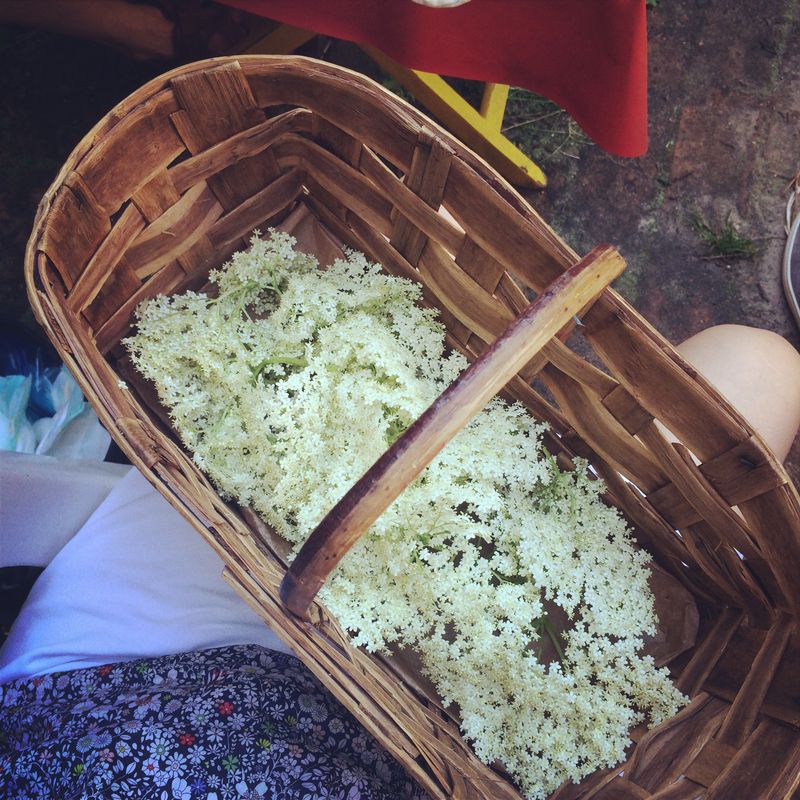
    Before we left (at which point Hugo cried, just like I always did when I was little and it was time to leave Joanie's), Joanie grabbed one of her many baskets, lined it with paper and went out behind the garage to the enormous elderflower bush growing there to snip off a bunch of heads for me. I snapped a picture of the beautiful flowers for Instagram and then Abbey asked me to blog about making elderflower cordial and hey presto here we are. I aim to please!

    Elderflower cordial is one of those things that seems impossibly complicated from afar, but in practice is silly easy. Though I do have to qualify that by saying that it is, of course, only easy if you have access to elderflower bushes (and preferably ones not lining a major roadway). If you don't, my apologies. But if you're one of the lucky people that have them growing in your local parks or backyards, then elderflower cordial is ridiculously easy and so delicious that it should go on your to-do list right now.

    Okay, so the first requirement is a flowering elderflower bush that is not contaminated with exhaust. Got that? Great! Next, make sure that the bush hasn't been rained on in the past few days. Now get yourself a basket, line it with paper towels or a piece of Kraft paper and grab a pair of clippers. At the bush, hold the basket underneath each head of flowers and snip the head directly into the basket. You'll want about 25 heads. The pollen in the tiny elderflower blossoms is what makes the cordial so delicious and fragrant, which is why you don't want to lose any of it.

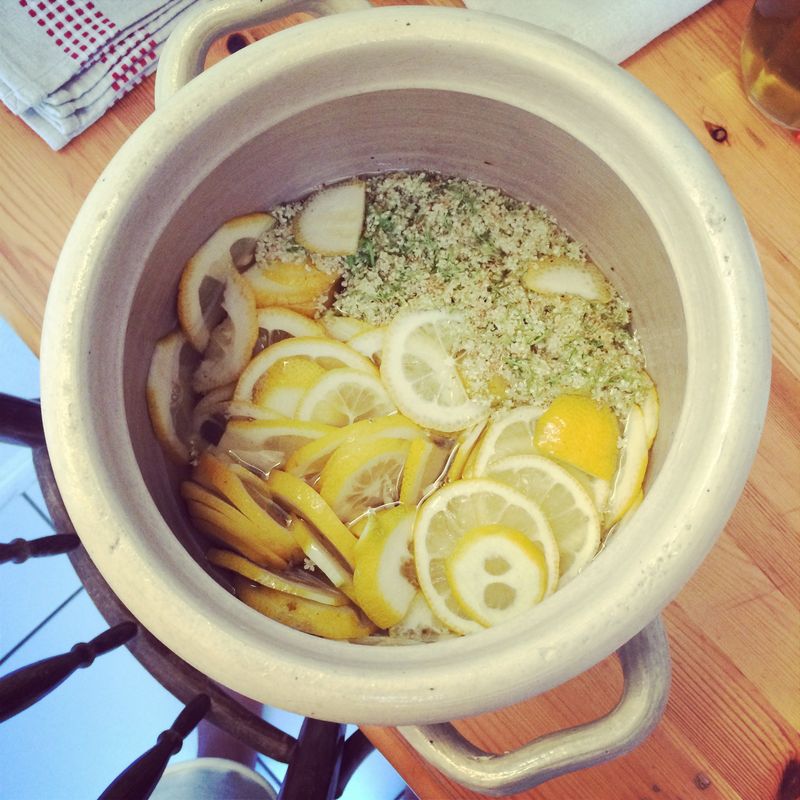
    Once that's done, go home and find yourself a big old crock. Make sure it's clean. Holding each elderflower head over the crock, carefully snip the tiny blossoms into the crock. Do not wash the elderflowers before doing this! (This is why I told you earlier that exhaust-free flowers are essential.) If there are any bugs, try to pick them off before doing your snipping. Discard the flower stalks. Shake whatever pollen gathered on the paper lining into the crock as well. Next, gather up three or four organic lemons. Slice them thinly using a very sharp knife and add the lemon slices to the crock.

    Put 1 kilo of sugar (this is equivalent to 2.2 pounds) in a big pot on the stove and add 1.5 liters of water (6 cups of water). Turn the heat up high, stir to dissolve the sugar and bring the mixture to a boil. Let it cool slightly, then pour the hot syrup over the elderflowers and lemon slices in the crock. Cover tightly with a piece of plastic wrap and put somewhere cool for a minimum of three and a maximum of five days. Stir the mixture once a day.
    Crock

    When the mixture is finished steeping, put a big pot on the stove and balance a sieve over the pot. Pour the contents of the crock into the sieve and let them drain well. (Do not press down on the lemons and elderflowers, though.) Add 3 tablespoons of citric acid (also known as lemon salt or sour salt in Indian grocery stores) to the pot and then bring to a brief boil before taking the pot off the stove.

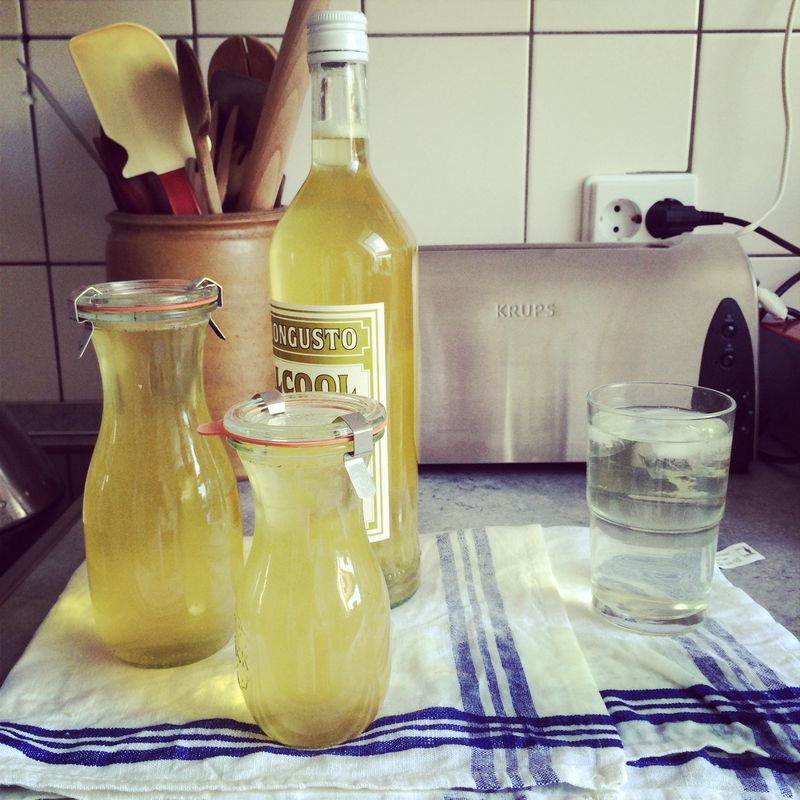
    Using a funnel, fill a couple very clean glass bottles with the hot liquid (you'll need capacity for about 1.5 liters of cordial). Close the bottles up and let them cool before storing them somewhere dark and cool for up to a year. Mix with sparkling or tap water for a refreshing drink (about a tablespoon per glass, though the ratio is obviously up to you) or with Prosecco, sparkling water, a squeeze of lemon and a sprig of mint for a gorgeous cocktail called the Hugo. Yes, really. 🙂

    (The eagle-eyed among you will notice that the quantities in this recipe differ from the one in My Berlin Kitchen. The difference is that the yield on that one is a little higher and the sugar content of this one is a little lower. I'm really happy with the way this batch turned out.)
    Elderflower cordial

    To me, elderflower cordial mixed with cold water tastes like the essence of summer (and other things, but you'll have to read my book for them) and I rarely have any of it left by the time the days shorten and get cold again. So go out while the picking's good and make hay while the sun shines.

    ***
    In other news, I'm thrilled to be a speaker at the Food Blogger Connect conference in London in a few weeks! I'll be speaking about the transition from blogging to book-writing, and will be taking part in the panel about the business of cookbook publishing in general. The full-weekend passes are sold out, but you can still buy tickets to the conference for individual days. I'm speaking on Saturday and will be on the cookbook panel on Sunday. I'll also be signing books. If you are going to be there, please come and say hi!
  • DSC_5719

    A few months ago, I was invited by Kerrygold to go to Ireland with a group of bloggers. Our proposed itinerary was to spend a day at the Ballymaloe Litfest and to visit a family dairy farm that is part of the cooperative that supplies Kerrygold with milk. It only took me about 15 seconds to reply with YES ME YES YES PLEASE AND THANK YOU YES YES YES, throwing any pretence of cool nonchalance I might have had to the wind.

    After that, all that was left to do was to impatiently await our departure and to aggravate the kind people in my life by asking them repeatedly if they knew that I was going to Ireland in May to see some cows. Ireland in May! To see cows! IRELAND! ME! COWS! I could not contain myself. And yet despite all that excitement and enthusiasm, the trip still managed to be better than I hoped.

    DSC_5715

    The Ballymaloe Litfest, only in its second year, was held on the grounds of the Ballymaloe Cookery School, an impossibly beautiful place filled with wisteria-clad country houses, rustic old barns, beautifully lush green lawns and friendly Irish people. Yotam Ottolenghi and Sami Tamimi were there,  as were Sandor Katz, David Tanis, Christopher Hirsheimer, Diana Kennedy and many luminaries of the Irish and English food world. There were delicious things to eat and the weather was splendid and I loved that the festival organizers made the entrance fee affordable so that many local families could come and spread out on the grounds with their (stunningly beautiful) children.

    The absolute highlight of my day at the festival was attending a talk with René Redzepi of Noma. He was witty and humble and fun, full of good stories about his start in the cooking world (after flunking out of school at 15, he followed his best friend to cooking school on a whim) and about the formative time he spent each year with his father's family in a poor Macedonian village. We could have all listened to him talk for hours and it felt like such a gift to have been given insight into the mind behind the legendary restaurant. There were many, many other events at the festival that I wished I'd been able to attend, but who knows, there's always next year.

    DSC_5704

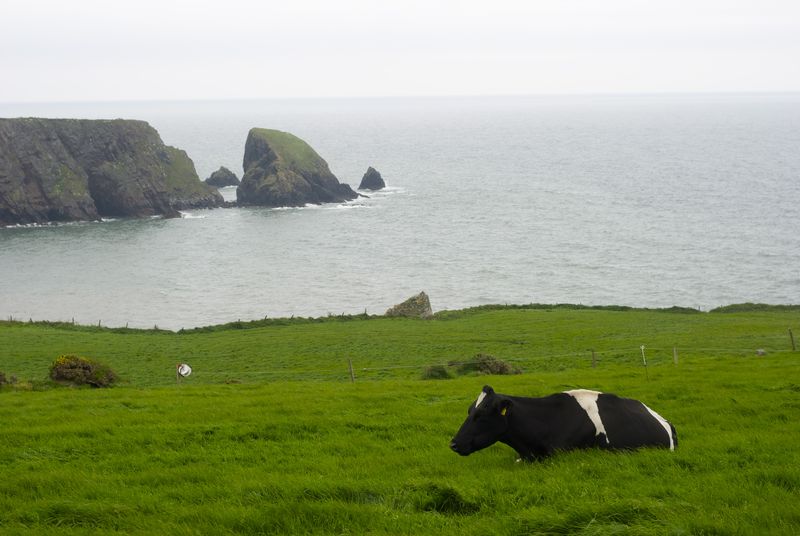
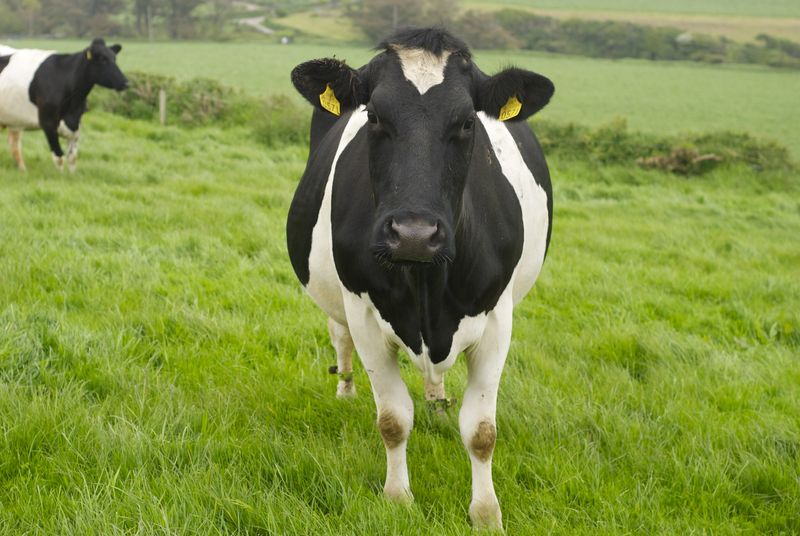
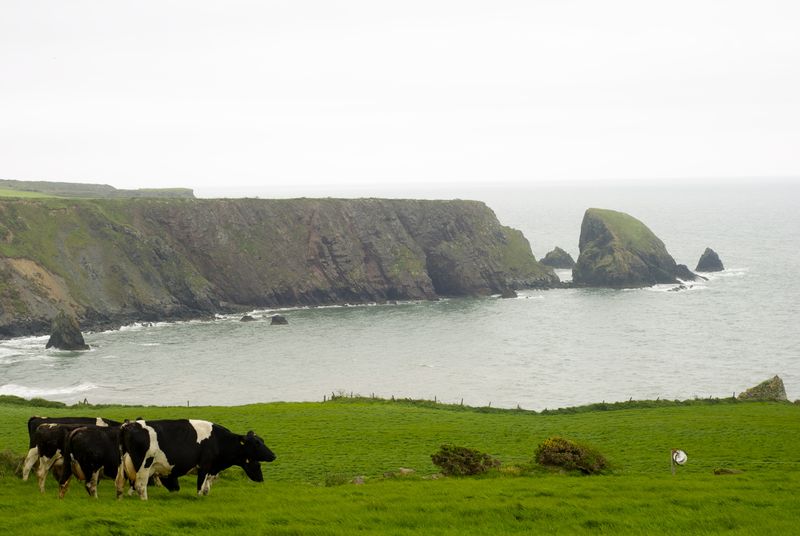
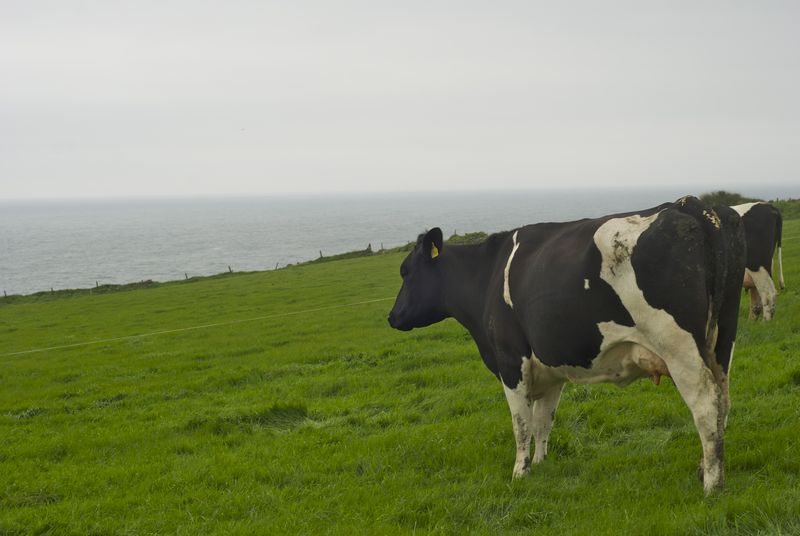
    On Sunday, the sky thick with clouds and rain, we piled into a little bus and drove up the southern coast of Ireland, near Waterford, to visit a dairy farmer whose land sits at the very edge of the coast. We walked down a winding path lined with gorse and other low shrubs until we got to a pasture, the grass thick and velvety and a bright, vivid green. We opened the wooden gate and walked into the pasture with his herd, a group of about 65 Friesian cows. In one direction was the open sea and a blurry horizon, in the other, the craggy cliffs of the coast. The wind whipped the grass and some cows watched us quietly and inquisitively, while others munched away at the grass or sat quietly chewing their cud. These were clearly happy cows.

    We stood there for a long time. I can't speak for the others, but something about the ocean and the presence of the animals and the whipping wind moved me. It felt so majestic and mysterious, like I was standing on the edge of the world. I had one of those moments I've written about before, as if someone had pulled back the curtain on some deep and beautiful secret that we go through life looking for. Something about being out in the rugged wildness of nature triggers that feeling, I guess. But when it came time to go back to the farmer's house for tea and sandwiches, I didn't want to go. I'd only just gotten there and the thought that I'd probably never again see this part of the world, our wild and beautiful world, made my heart ache a little. What lucky cows, and people, to get to live there. Lucky me, too, that I got to see it for a little while.

    Back at the house, the farmer's wife put out a spread of sandwiches and cakes and cookies to put most Manhattan board meetings to shame. There was an enormous metal tea pot filled with strong, hot tea and we sat and warmed our bones while the farmer told us a little bit about dairy farming in Ireland and what makes Irish butter and cheese so special.

    The dairy farms that belong to the Irish Dairy Board (the farmers' cooperative behind the Kerrygold brand) are all family farms that have been handed down over the generations and hardly any of the farms has a herd that exceeds 65 cows. The mild Irish climate means that the cows can live and graze outside 300 days out of the year and when they do eat feed, it's made up of locally grown barley, non-GMO soy and citrus. Backed by stringent EU laws, Irish milk is hormone and antibiotic-free – if a cow happens to get sick (with mastitis, for example) and needs to be treated with antibiotics, her milk is removed from the system and her medication is reported to the government until she's well again. Because of their way of life, grass-fed Irish dairy cows live longer than industrial dairy cows, about five years instead of three, and they don't suffer from the ailments that we know industrial cows suffer from. They're also not high-yield dairy cows. This system translates to high-quality milk products for the consumer, fair prices for the dairy farmers and a good life for the cows.

    Just last week, a story about the torturous existence of turkeys raised industrially in Germany made the rounds here. At a time when so many of us know more and more about the deplorable state of the animals kept for our dietary needs (and whims), it was refreshing to see that a different way exists.

    DSC_5722

    The rest of the day was spent on the road and I didn't get back home until very late, but I couldn't stop thinking about that moment with the herd of happy, quiet cows out in the great green pasture on those craggy Irish cliffs. I'm so very grateful I got to experience that moment. I know I'll never forget it or the kind and lovely family who brought us there and let us in on their world.

    Disclosure: My trip was organized and paid for by Kerrygold, but all my thoughts, opinions and, indeed, the decision to write about the trip, are my own.

  • Mexican green goddess dressing

    This aging thing is nuts. Why, just this past weekend, I had to take a six-hour train ride to southern Germany, sleep at a Holiday Inn Express (the sheets! so silky! the room! so quiet!) and then come back the next day, and all I could think about this adventure was: 12 WAKING HOURS ALL BY MYSELF I CAN READ EVERY BOOK UNDER THE SUN ALL BY MYSELF AND THEN I GET TO SLEEP ALONE AND BE WOKEN BY MY OWN SELF AND THEN READ SOME MORE IN BED BECAUSE NO ONE IS DEMANDING BREAKFAST OR A PLASTIC ELEPHANT OR THAT MAMA GET TO HIS SIDE RIGHT THIS MINUTE OH MY GAH WHAT BLISS IS THIS.

    I can guarantee you that ten years ago (or even five? three? anytime before June 2012?), I would not have been this easily pleased. (My reading list, in case you're wondering, was the latest two New Yorker issues in full, the latest Vogue, The Book of Negroes and 35% of The Fault in Our Stars. No, I don't think I looked outside the window once?)

    Also, with age, I have learned that the things I used to detest no longer repulse me! Let's make another list, shall we?

    Things I used to hate:
    cilantro
    scallions
    creamy salad dressings

    Things I now love:
    cilantro
    scallions
    creamy salad dressings

    Well, not all creamy salad dressings, to be totally honest. In fact, let's just say only this creamy salad dressing. After arriving in southern Germany on Sunday and before going to sleep in the soft and silky Holiday Inn Express bed, I had an encounter with a creamy salad dressing that I would only describe as  unfortunate. (In case you're wondering what I was doing in Baden-Baden, click here and look for the show from May 12th.)

    ANYWAY. This creamy salad dressing, to get to the point already, is from Gwyneth Paltrow's second cookbook, It's All Good. And while opinions differ on the book, the chapter on salads and salad dressings is pretty great. This dressing, in fact, called Mexican Green Goddess Dressing, is worth the price of the book and not to sound like a broken record or anything, but my philosophy is that if you get just one great recipe out of a cookbook, that cookbook's a keeper.

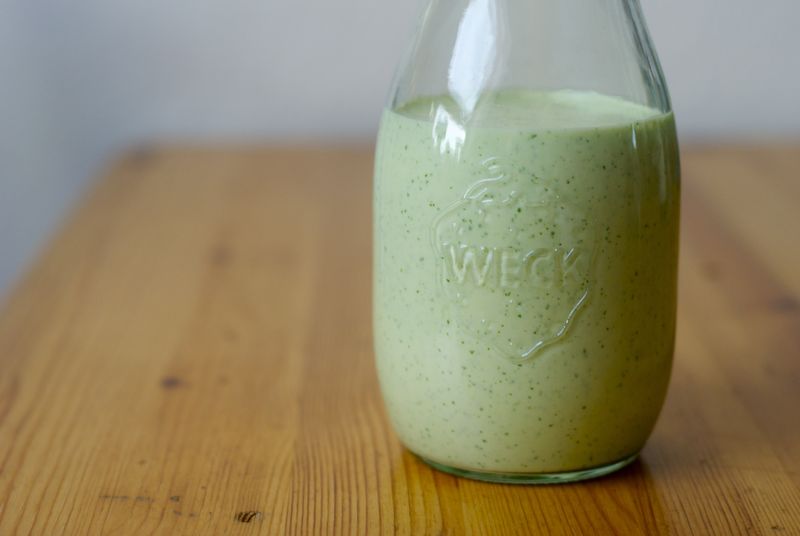
    Gwyneth's Mexican green goddess is made up of sheep's milk yogurt, olive oil, cilantro, scallions, lime juice, salt, a touch of honey and a jalapeño (it's tough to find jalapeños in Berlin, though, so I used a drizzle of this terrifyingly spicy hot sauce instead – thank you, Liana!). You blend everything up in a blender or with an immersion blender that has a turbo setting and then you use it on a salad consisting of chopped romaine, avocado, tomatoes, canned black beans, corn (fresh if you've got it, and canned if you don't), more scallions and more cilantro. And you know what, it truly does taste of Mexico – all of those wild, bright flavors blended up and threaded together. It's fantastic.

    Mexican chopped salad

    You are by no means constrained to only use this dressing on this particular salad, though. I used it on cold boiled broccoli the next day to fantastic effect, for example, and on a bowl of sliced cucumbers and tomatoes a few days after that and could imagine it on a bowl of simple arugula, too, or steamed fennel or any vegetable really, that needs a bit of a creamy, spicy, zingy zhuzh.

    I still haven't come around to dill, though. Maybe check in with me when I'm 40.

    Gwyneth Paltrow's Mexican Green Goddess Dressing
    Adapted from It's All Good
    Makes 1 1/2 cups

    2/3 cup sheep's milk yogurt
    ¼ cup cilantro
    2 scallions, roughly chopped
    ¼ cup lime juice (2-3 limes)
    ½ jalapeno, roughly chopped, or a drizzle of hot sauce
    ½ cup extra virgin olive oil
    ½ teaspoon coarse sea salt
    1 tablespoon honey or agave nectar

    Combine all the ingredients in a blender. Blend until completely smooth. The dressing can be kept in a jar in the fridge for up to a week.

  • Just good chili

    A week ago, I was over at my friend Sharmaine's house, sitting on her comfortable brown couch in her cozy kitchen while our sons played with trains and trucks and cars on the floor, sort of ignoring each other while they played, but sort of stealing sweet little glances at each other every so often, too. We talked about work and life and parenting, the usual stuff, while her husband Thomas pulled a simple chocolate cake from the oven and we all had some, still warm and lovely. Then Hugo had to go crumb-hunting on the big brown couch, of course, and after that the boys ran around without pants on for a while and Sharmaine told me that there was going to be chili at her birthday party a few days later and I said I'd bring cornbread. After that it was time to go home, so we packed up and left after Jackson and Hugo kissed goodbye at the front door and we all went "awww", and then I couldn't stop thinking about making chili for the rest of the week.

    So this is a post about chili.

    I was well into my third decade of life before I understood that chili wasn't just something served up at potlucks and Mexican restaurants in Germany. I didn't know that there were rules and strictures about what goes into chili and what doesn't go into chili. And I certainly didn't know about the Chili Appreciation Society International. (!)

    Now I do. And while the Italian side of me has a profound respect for food rules, I must confess and beg forgiveness for having found a chili that I love that certainly does not abide by the no-bean rule, which – as I understand it – is likely to be Rule Number One about chili. It's just that this chili is simply so good, as its name already suggests, that it pains me to let it pass by. It's so complex and wonderful, sweet and spicy, and you can just about make it with your eyes closed.

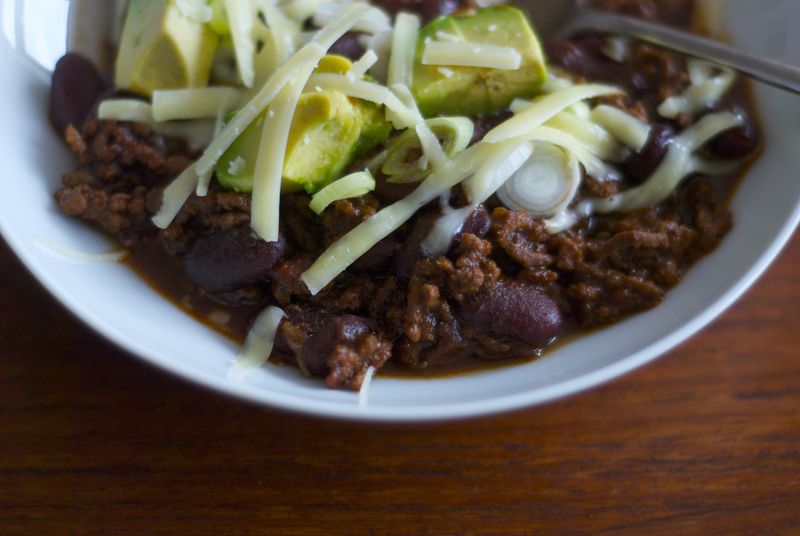
    The chili boasts beer and cocoa and coffee, ground meat and beans, and a warm sprinkling of spices. It cooks for an hour or longer, turning the sauce a wonderfully rich, deep brown, almost mahogany. We ate our bowls of chili topped with diced avocado, sliced scallions and a few long shreds of grated cheddar, to bring a bit of color and texture and creaminess into play, and felt almost comically satisfied with our dinner, no cornbread required.

    Rules are rules for a reason, I'll admit. But I'm so glad this chili exists.

    ***

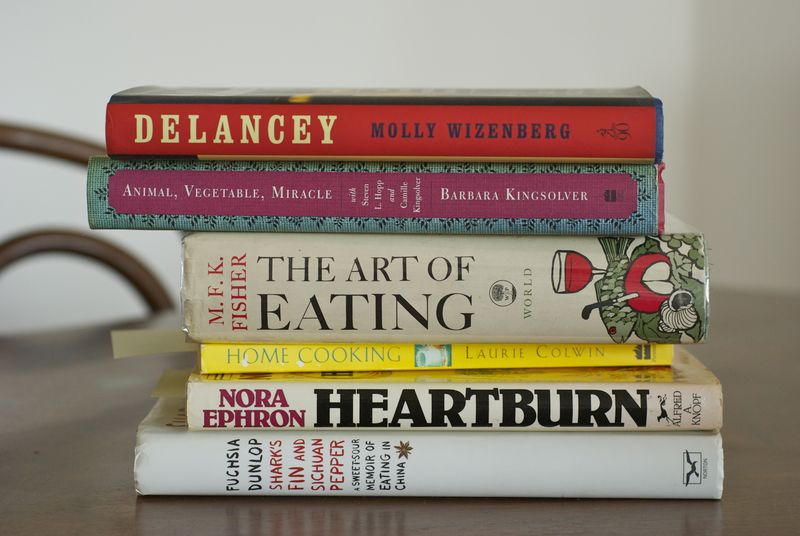
    I'm thrilled to announce that I'm going to be teaching a food writing class in Berlin later this month. The class starts May 20 and runs for 7 weeks. There will be reading and writing assignments, snacks by yours truly and it should, I hope, be a whole lot of fun. The stack below is just a sampling of the kinds of texts I think the world needs more of and that we're going to get into. If you're interested in attending, please visit The Reader for more info and to register. And feel free to spread the word!

    Food writing class

    Jennifer Steinhauer's Just Good Chili
    Original recipe here

    Serves 4

    2 tablespoons olive oil
    1/2 pound ground beef
    1/2 pound ground pork
    1 large onion, finely chopped
    1 12-ounce bottle of beer
    1 14.5-ounce can diced tomatoes
    1/2 cup strong brewed coffee
    1 tablespoon tomato paste
    2 tablespoons brown sugar
    1 tablespoon ancho chile powder
    1 tablespoon cocoa powder
    Half a serrano or other hot pepper, seeded and finely chopped, or to taste
    1 1/2 tablespoons ground cumin
    1 1/2 teaspoons ground coriander
    1 teaspoon cayenne pepper, or to taste
    1 teaspoon salt, or to taste
    2 15-ounce cans kidney beans

    1. Place a Dutch oven or other large pot over medium heat. Add the oil and heat until shimmering. Add the meat and sauté until browned, then transfer to a plate.

    2. Add the onion to the pot and stir for 1 minute. Take two large sips from the beer, and pour the rest into the pot. Stir in the tomatoes, coffee and tomato paste.

    3. Add the brown sugar, chile sauce, cocoa powder, hot pepper, cumin, coriander, cayenne, salt and kidney beans. Return the meat to the pot. Reduce heat to low and simmer, partly covered, for at least 1 hour (Longer cooking improves the flavor.) Adjust salt and cayenne pepper as needed and serve.

  • DSC_5615

    I have big, happy news today: I'm writing a cookbook! After I wrote My Berlin Kitchen and tested 42 recipes, I sort of swore, like almost blood oath, that I'd never write a cookbook, but then I birthed that sweet baby of mine and then a couple years passed and Ten Speed Press came a-calling and I found myself writing a proposal for them – because hello, of course – even though there was that almost-blood oath and then I started getting sort of excited about the proposal and then found I actually really wanted to write the cookbook and, phew, what a relief because Ten Speed up and bought the proposal and now it's official:

    I'm writing a cookbook and I'm so excited about it, a book on German baking in all its glory, from yeasted cakes, whole-grain breads, fruit strudels, and dumplings to nut tortes, cakes, and savory pies, plus a whole chapter on Christmas baking that will be sure to send me straight into the nuthouse. There will be around 100 recipes and lots of photos and little stories and I hope (and pray) it will be both classic and comprehensive enough to find room on your shelves for years to come.

    (The gorgeous braided Easter loaf that you see up there comes from a wonderful family-run bakery around the corner from my house that still makes many traditional German pastries, cakes and breads, sadly rare for Berlin.)

  • Photo 3

    We flew to Italy last week for a little spring break.

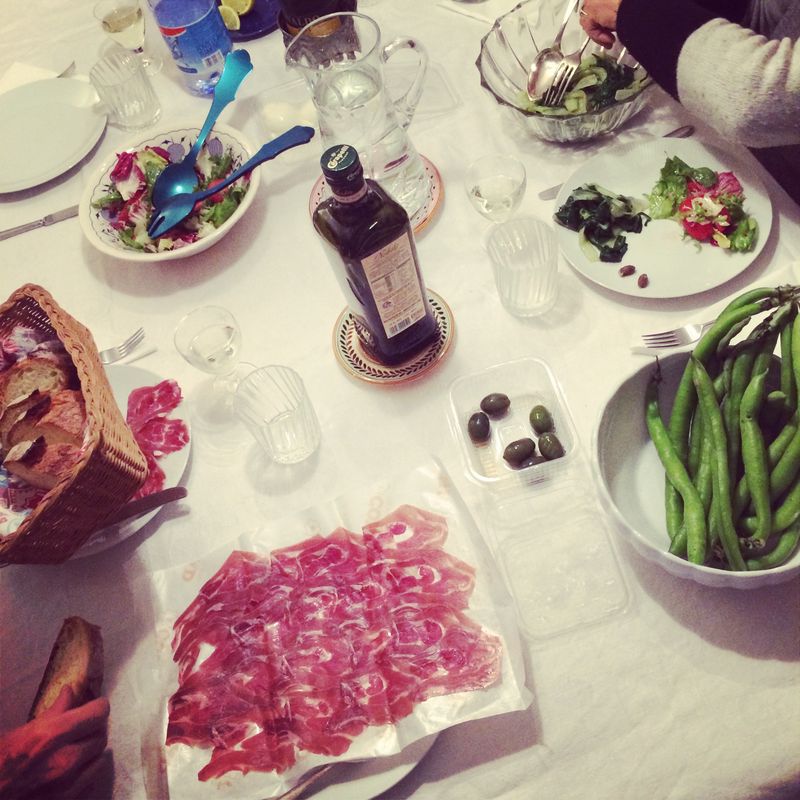
    We dyed eggs for Hugo's first egg hunt, which was a roaring success until he ate one chocolate egg too many and turned into a (screaming, sugar-crazed) pumpkin. We played ball, which led to Hugo's first word in Italian ("palla!"), and watched the cat eat breakfast (and lunch and dinner) and ate our weight in sweet, delicious vegetables. From zucchini to Swiss chard to artichokes to peas and fava beans, everything tasted like it had been picked that very morning.

    Photo 1
    And then Max and I got up at dawn one morning and went to Rome for three days on our own, which was long overdue and much-needed and blissful in every sense of the word.

    Photo 3

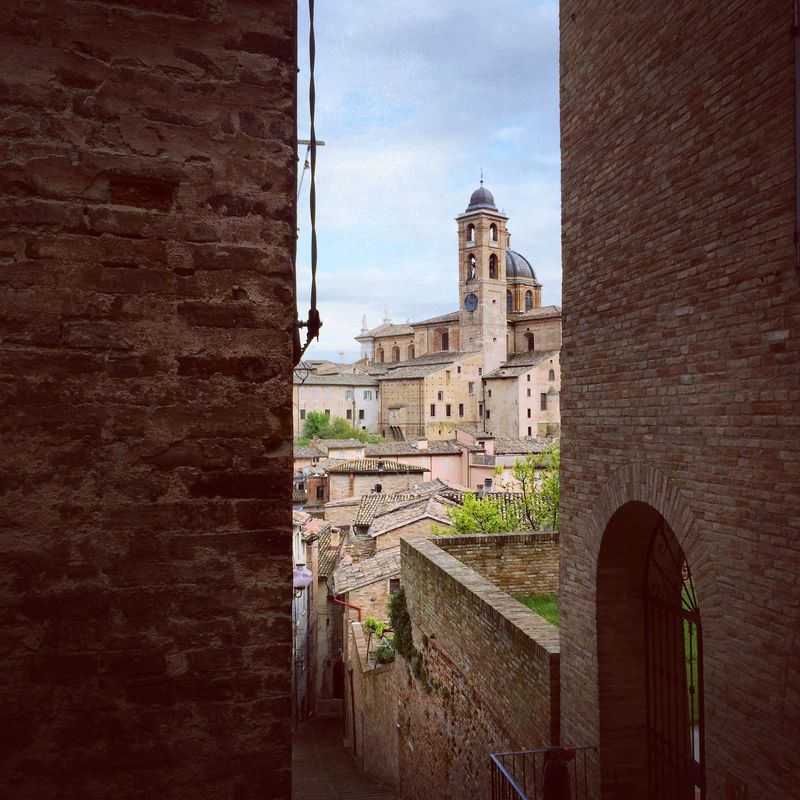
    We stayed at the Hotel Anahi, a little gem just off of Piazza del Popolo. Despite the location and our room on the first floor, it was wonderfully quiet at night and so cozy and sweet. I know Rome relatively well – my mother grew up there and lived there for three years while I was in college – but Max had never been before, so we decided to keep to a relatively small area for our visit, nothing further than what we could reach on foot.

    The same friends who recommended the hotel also told us about a lovely bar to stop in for breakfast – Caffè Canova Tadolini on via del Babuino. The slant-roofed little building used to be Canova's studio and is filled with busts and other sculptures and now houses a bar (and restaurant) serving very good coffee and a wonderful plain cornetto – faintly scented with orange and yeasty-crisp.

    Photo 4

    We had three good lunches – at Sora Margherita in the ghetto, which was good but more touristy and expensive than I remembered (which, to be fair, was at least 15 years ago, when it was just one little room with five tables), at the Antica Birreria Peroni near the Trevi fountain, which is where my mother and her colleagues used to eat for lunch all the time, and at Enoteca Corsi, which was new to me, but has clearly been there forever and was filled with Romans.

    Our dinners weren't as successful due to lack of advance planning, but it was hard to care. Rome is Just So Beautiful. It's almost too much to take. The weather was spectacular and we walked around with our mouths open in wonder most of the time.

    Colosseum

    And the surprise (to me) highlight of the trip? Visiting the Colosseum. I had never been inside before and was a little nonplussed when Max insisted on it. All those lines! All those tourists! But I'm so glad he did – we spent over three hours inside, agog at the whole thing – the architecture, the historical details, the sheer size, all of it. Humans, man. History, man! Amazing. (We did an audio tour, which was fine, but if we could do it again, I'd shell out the cash for a guided tour to access also the lower- and uppermost levels. In case you're planning a trip to Rome anytime soon…)

  • I don't have a recipe for you today. I hope that's okay. The days pass by so quickly lately. Life is good and full, but nonetheless, or maybe precisely because of that, I've felt death lurking.

    The other day, though – it was a Sunday, I know, because Max was home and playing music on the stereo – the three of us were spending time in the living room together when a song came on that propelled me to my feet. The music simply possessed me. I couldn't not move. As I twirled and swayed and danced, I closed my eyes, imagining myself in the desert of Mali with this song filling the black night. I imagined seeing a canopy of stars above me, a crowd of humanity beside me, joy in my heart. And when I opened my eyes to my life here again, I saw that Max had wordlessly taken Hugo up in his arms and they were dancing with me, the three of us moving together as the magical sounds of the music filled our apartment and made my heart so full that my cheeks were drenched when it was over.


    It was just a funny little thing, but I'll never forget it. And when I went to find the translation of the lyrics to the song that so moved me (sung originally in the Tuareg language of Tamashek), this is what I found:

    I am telling you, love
    As it was
    My darling, as it was

    This time here
    Love is everyone’s worry
    From the bottom of their soul
    Without knowing
    What to do
    .

    Take good care, dearest readers. More soon. xo

  • DSC_5469

    Our mornings go a little something like this: Either Max's alarm goes off first or Hugo wakes up chirping like the recently-returned bird who perches in the chestnut tree outside his window at the ungodly hour of 4:30 am and starts singing only to stop an hour later, the jerk, after our child has awoken and will not return to sleep come hell or high water.

    (more…)

  • Whole Grain Mornings

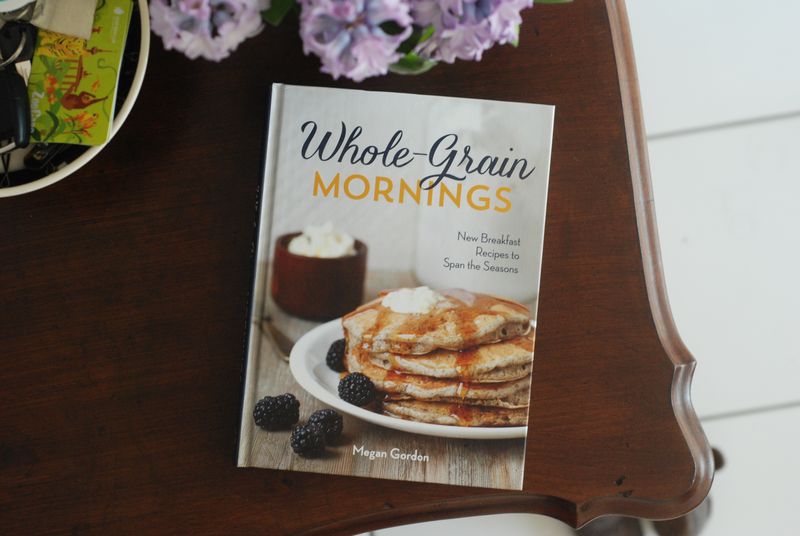
    When I heard, sometime last year or the year before, I guess, that Megan Gordon was writing a book on whole-grain breakfasts, I could scarcely contain my glee. I had once owned Mollie Katzen's whole-grainy breakfast book Sunlight Café, but in a fit of house-cleaning or cross-country moving, I can't remember, had passed it on to someone else. (I am still regretting that bone-headed move – oh, Crunchy Millet Muffins, how I miss you! If someone out there has a copy of the book, would you like to earn my undying gratitude and send me the recipe so I can post it here for posterity and eat those muffins again?)

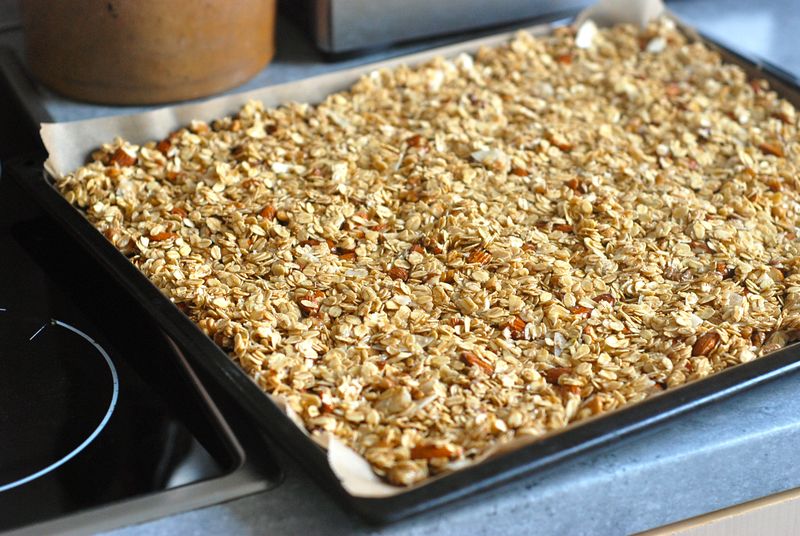
    Signature granola

    Megan is the powerhouse behind Marge Granola, and has been blogging about whole-grain baking and breakfasts and wholesome eating in general for several years now, both at her own blog and at the Kitchn. And with this book, she's collected her best breakfast recipes into something that is so darn useful it makes me happy just to see it on the shelf. I call it my little kitchen buddy. (I wake up worrying about breakfast more often than you might think?)

    DSC_4737

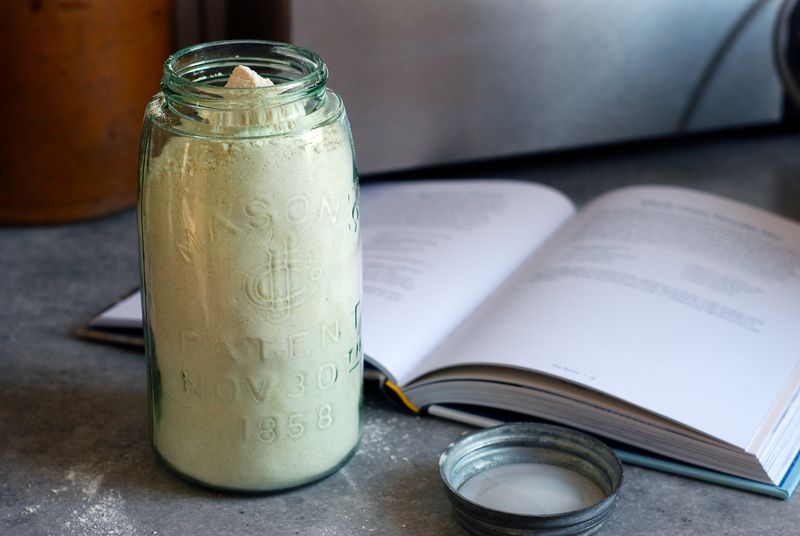
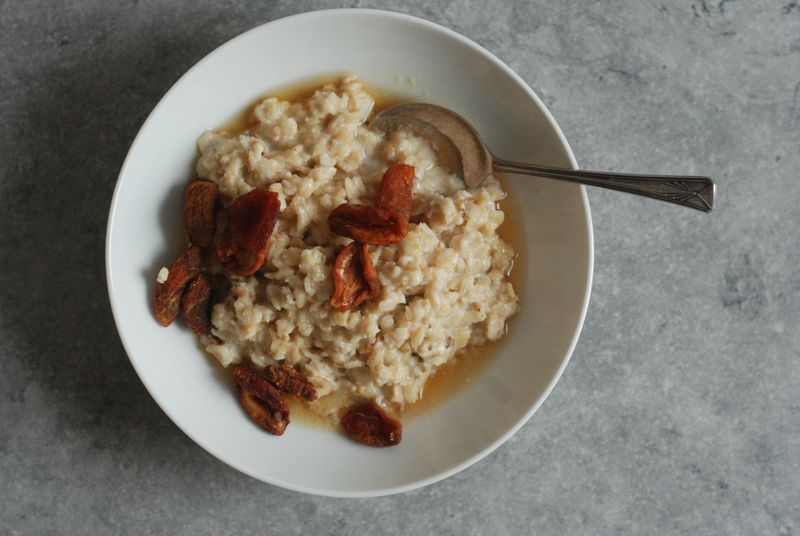
    I realized, while working on this post, that I have yet to even venture past the first chapter called Basics. It contains the master recipe for Megan's fantastic granola that is not too sweet (all three of us are obsessed with it), a method for oatmeal that was entirely new to me and resulted in the most wonderful bowl of oatmeal (you toast oats in butter, then add boiling milk and water to them and shut off the flame or stove and let the pot sit, covered, for 7-10 minutes before eating, winning the Least-Amount-of-Work-for-The-Best-Payoff Award and the Recipe-Worth-The-Price-of-The-Book Award), a whole-grain pancake mix that makes me feel like I've got money in the breakfast bank every day, to paraphrase Jenny, and the accompanying buttermilk pancakes (though I make them with half the amount of liquid called for).

    Megan's oatmeal

    But there's so much more in Whole-Grain Mornings that I can't wait to try, like the California Barley Bowls, any of the warm grain porridges, and the Peanut Butter Brown Rice Bars, Megan's whole-grain take on Rice Krispy Treats. It's such a home-run, this book, a total classic. I'll bet I'll still be cooking from it years from now.

    (All the Amazon links are affiliate.)

  • Photo-1
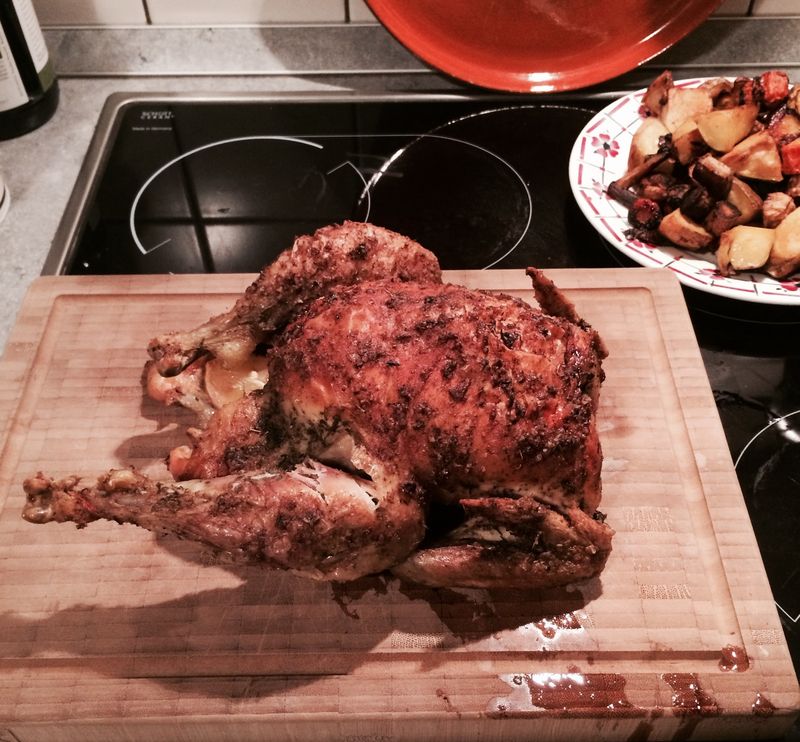
    (Before the photo police come a-calling, let me just put a disclaimer right up here at the front: I took this photo with my phone on Sunday evening, just before dinner, and I know it's sort of hideous, but I had absolutely no intention of blogging about it and so didn't think to pull out my real camera and anyway, even if I had, it is a proven fact of life that shooting meat is, shall we say, challenging and leave it at that.)

    There! Now let's get down to brass tacks.

    THIS CHICKEN. It may have the worst name in recipe-naming history (I'm renaming it Slow-Roasted Chicken), but that doesn't even matter, not one little bit, because OMG THIS CHICKEN. (Yes, I know with the all-caps, but this chicken deserves them plus several exclamation marks and a lot of underlining and four-letter words, too.)

    The recipe comes from the current issue of Bon Appetit and even if you think that a new recipe for roast chicken is snoozeworthy, you need to know about this. Like, REALLY. (People, I have feelings about this chicken and they are not equivocal!)

    Instead of roasting your bird at high heat or slathered with butter or barded with bacon, here you put together a little herb-spice rub (fennel, hot pepper, marjoram, thyme and salt), add some olive oil and then rub the bird all over with that mixture, sort of as if you were giving it a relaxing salt scrub. You stuff the bird with a whole head of garlic cut in half, a lemon cut into quarters and more marjoram and thyme. Then you put the bird on top of some thyme sprigs on a baking sheet, surround it with potatoes (I added carrots and parsnips) and put it in a low oven, 300° F, for two to three hours.

    When the chicken is done (I put my oven just a little higher – at 160° C instead of 150° C – so it was done a little after two hours – but I had to take the vegetables out earlier, so definitely pay attention to what's going on in your oven around the 90-minute mark if you're going with the original temperature), it is meltingly tender and the joints have practically dissolved. The skin is irresistibly crisp, but you have none of the crazy chicken-fat smoking out of the oven that crispy skin usually requires. The roasted vegetables have shrunk and sweetened and are infused with herby, savory chicken fat. It's pretty much the greatest Sunday dinner ever.

    But I'm not even done yet!

    Because, believe it or not, this roast chicken, as delicious and perfect as it is freshly roasted, goes straight into the stratosphere as leftovers. I mean, cold roast chicken of any kind is tough to beat – it's just one of those home-run foods that everyone loves (right? RIGHT?) – but this cold roast chicken is unparalleled. A day or two of sitting in the fridge and it's pretty much the best thing ever.

    Bonus proof-that-this-chicken-is-the-chicken-to-end-all-chickens story: This evening, while I was pulling the remaining meat off the carcass to repurpose as Indonesian chicken salad, Hugo literally grabbed the entire breast that I had just lifted off the bones out of my hands (I'd already put some shredded meat on his plate!) and proceeded to devour it, with his hands, like a very cute and yet slightly terrifying and hungry little caveman.

    Slow-Roasted Herbed Chicken
    Serves 4

    1 teaspoon ground fennel
    1 teaspoon crushed red pepper flakes
    2 tablespoons finely chopped fresh marjoram; plus 4 sprigs, divided (I used dried and skipped the sprigs)
    2 tablespoons finely chopped fresh thyme; plus 4 sprigs, divided
    1 tablespoon kosher salt, plus more
    ½ teaspoon freshly ground black pepper, plus more
    6 tablespoons olive oil, divided
    1 3½–4 pound chicken
    1 lemon, quartered
    1 head of garlic, halved crosswise
    2 pounds Yukon Gold potatoes, scrubbed, halved, or quartered if large

    1. Preheat oven to 300°F (150 C°). Mix the fennel, red pepper, chopped or dried marjoram, chopped thyme, 1 tablespoon salt, ½ teaspoon pepper, and 3 tablespoons oil in a small bowl. Rub chicken inside and out with spice mixture. Stuff chicken with lemon, garlic, 2 marjoram sprigs, and 2 thyme sprigs. Tie legs together with kitchen twine.

    2. Toss potatoes with remaining oil on a rimmed baking sheet; season with salt and pepper. Push potatoes to edges of baking sheet and scatter remaining 2 marjoram and 2 thyme sprigs in center; place chicken on herbs. Roast, turning potatoes and basting chicken every hour, until skin is browned, meat is extremely tender, and potatoes are golden brown and very soft, 2-3 hours. Let chicken rest at least 10 minutes before carving.